


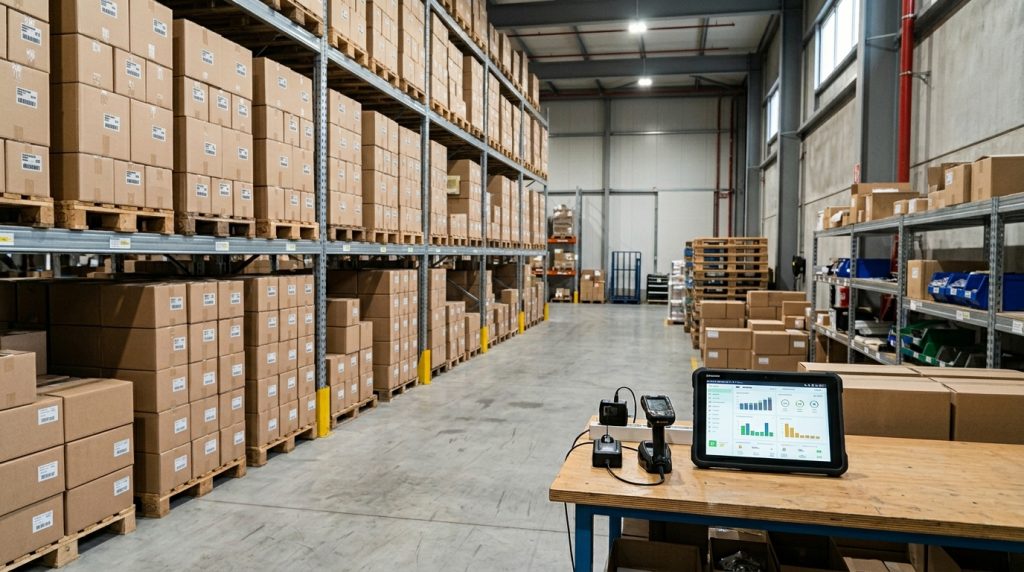
The inventory control module is a critical component of modern ERP systems, designed to help businesses manage stock levels, track product movement, and maintain operational accuracy. As industries expand and supply chains become more complex, manual inventory tracking becomes inefficient and unreliable. The inventory module addresses these challenges by providing real‑time visibility into stock availability, warehouse activity, and demand patterns, enabling companies to operate with greater precision and efficiency.
One of the primary benefits of the inventory module is its ability to automate stock monitoring. The system updates inventory levels instantly as products are received, transferred, or sold. This eliminates the risk of human error and ensures that data remains accurate across all departments. With real‑time insights, businesses can prevent stockouts, reduce overstocking, and optimize purchasing decisions based on actual demand.
The module also enhances warehouse management by organizing items into structured categories, locations, and batches. Barcode scanning and automated tracking streamline daily operations, reducing manual workload and improving order fulfillment speed. These features are especially valuable for industries with high‑volume inventory movement, such as retail, manufacturing, and distribution.
Another key advantage is improved forecasting. By analyzing historical data and current trends, the inventory module helps businesses predict future demand and plan accordingly. This supports better budgeting, production scheduling, and supply chain coordination. Additionally, integration with procurement and sales modules ensures that inventory decisions align with broader business goals.
The inventory module also contributes to cost reduction. Accurate tracking minimizes waste, prevents losses, and reduces storage expenses. Businesses can identify slow‑moving items, adjust pricing strategies, and optimize warehouse space to improve overall profitability.
In the end, the inventory control module empowers organizations to maintain accurate stock levels, streamline warehouse operations, and make data‑driven decisions. Its ability to provide real‑time visibility and automation makes it an essential tool for any business seeking operational efficiency and long‑term growth.